April 23, 2026
Deciding between a kitchen remodel and a kitchen renovation is a vital first step for homeowners aiming to enhance their living space. While many people use these terms interchangeably, they actually represent different levels of transformation. Remodels typically involve changing the use or structure of a room, whereas a renovation focuses on repairing or refreshing the existing aesthetic. By exploring these unique characteristics, homeowners can make choices that align with their visual preferences and functional requirements. Whether you want to completely overhaul your layout or simply provide a refreshing update, recognizing these differences is essential for successful execution. Working with skilled kitchen designers can help clarify which path best suits your specific property goals and long-term vision.
The Scope of Structural Remodeling
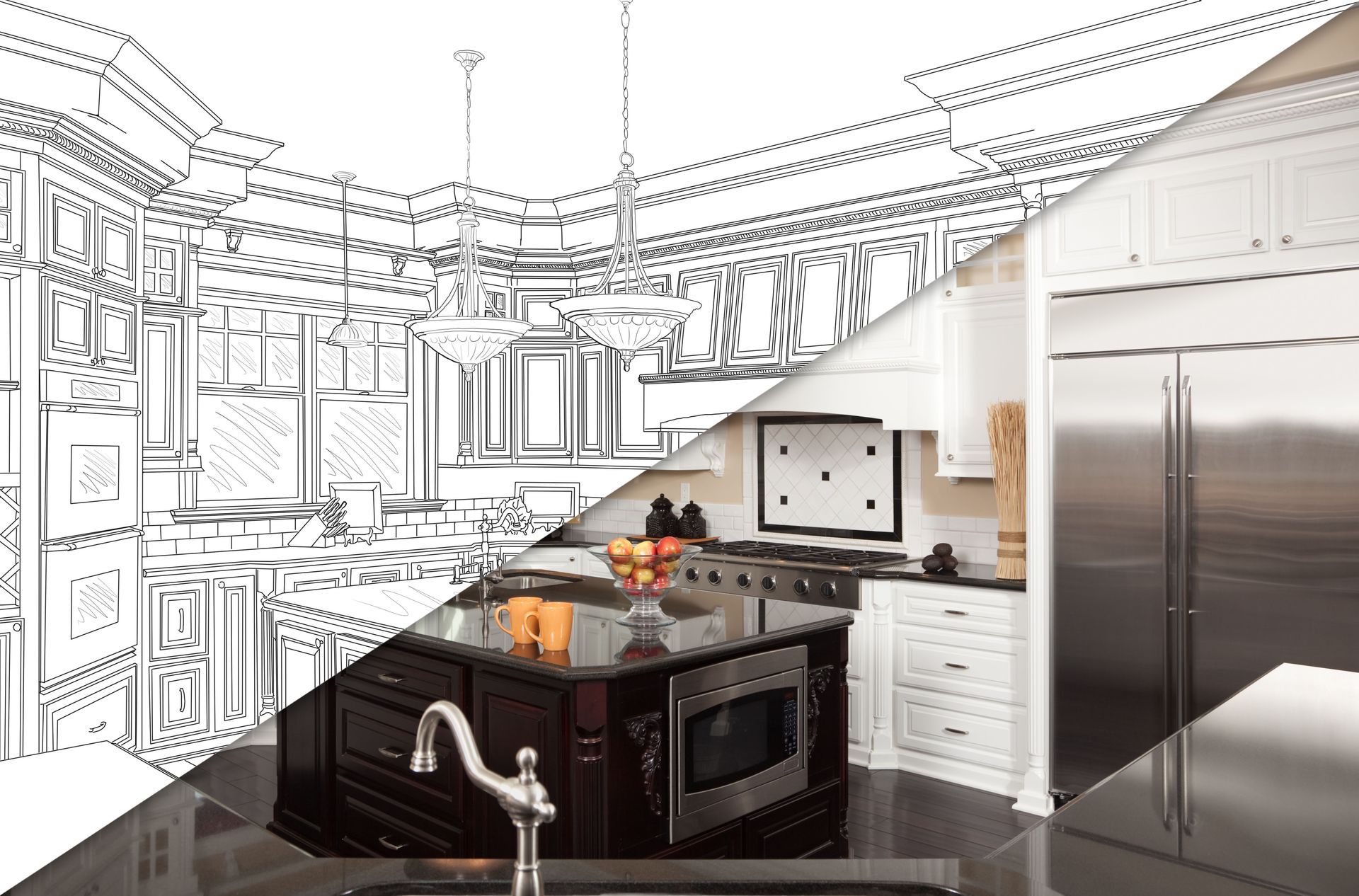
A kitchen remodel involves substantial changes that transform how a culinary space looks and operates. This often includes relocating walls, modifying the floor plan, or expanding the footprint to enhance flow and utility. Such projects frequently involve a complete re-imagination of the area to accommodate new appliances and customized cabinetry configurations. These alterations allow for significant creativity in planning, though they demand careful attention to engineering and architectural principles to ensure lasting durability. Because of the technical complexity involved, many homeowners seek the guidance of professional kitchen designers to ensure the new layout is both beautiful and structurally sound.
Enhancing Utility Through Modern Updates
When it comes to remodeling, updating fixtures and appliances is a pivotal component. Replacing outdated stoves, refrigerators, and dishwashers with modern equivalents improves both the look of the home and its overall energy efficiency. Homeowners often choose faucets and sinks that complement a new theme, focusing on advanced technology and ease of maintenance. This phase of the project significantly elevates the kitchen's functionality. Experienced kitchen designers often suggest high-quality materials that align with contemporary standards, ensuring that every new element serves a specific purpose in the daily life of the household.
Creativity in Design and Personalization
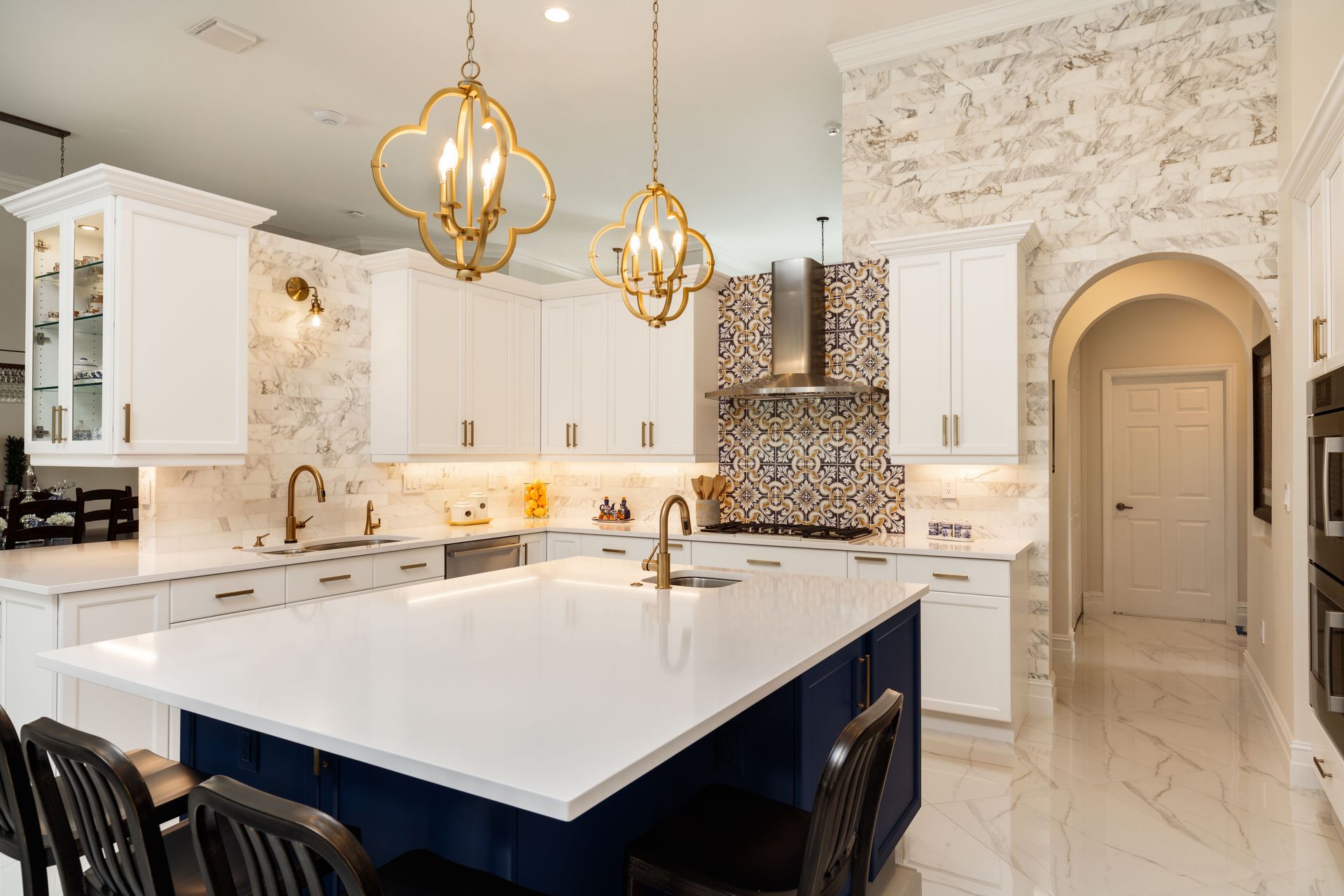
Remodeling affords homeowners the liberty to experiment with diverse design elements. This includes adopting new color palettes, textures, and finishes that harmonize with the home's overall decor. Design changes might incorporate minimalist concepts, rustic touches, or modern aesthetics to create a bold statement. Homeowners can personalize their space to create a unique ambiance that reflects their lifestyle. Innovative elements serve to reinvigorate the room, making it a focal point for social events. Collaborating with talented kitchen designers ensures that these aesthetic choices remain cohesive while pushing the boundaries of traditional style.
Investment and Timeline Realities
Projects that involve structural changes generally require a substantial investment of both time and money. The scope of work, including material quality and the extent of modifications, will directly affect the project duration and budget. Financial considerations must cover labor, materials, and potential interruptions to daily routines. It is wise to establish a realistic budget and set aside a contingency fund for unforeseen circumstances. While these projects are cost-intensive, the results can significantly increase a home's market value. Engaging kitchen designers early in the process helps in managing these costs effectively by selecting the right materials from the start.
Assessing the Benefits of Transformation
Transforming a kitchen presents various benefits, such as improved efficiency and a more attractive environment. However, it also poses challenges, including longer timelines and potential disruptions. A strategic approach can result in a highly functional space that meets a homeowner's specific needs for years to software. Conversely, budget overruns can be a downside if planning is not meticulous. The key is a realistic appraisal of financial circumstances. Professional kitchen designers provide the necessary oversight to navigate these challenges, ensuring the final result provides the desired aesthetic and functional rewards without unnecessary stress.
Refreshing the Space Through Renovation
Kitchen renovations typically involve cosmetic enhancements to revitalize appearance without altering fundamental structures. These changes may include repainting walls, updating cabinet finishes, or replacing backsplash tiles. Focused on improving visual appeal, renovations can breathe new life into an existing room with minimal hassle. According to Zillow, the national average return on investment for a minor kitchen remodel, which often involves these types of cosmetic updates, is 113%. This approach appeals to those who wish to refresh their environment without the upheaval of a major construction project. Consulting with kitchen designers can help identify which small changes will have the largest impact.
Restoration and Functional Repair
Renovations often involve restoring elements to maintain their functionality. This might include refinishing worn cabinetry, repairing fixtures, or restoring original architectural details like moldings. Such improvements enhance usability without the complexities of structural changes. Regular maintenance and timely restorations can prolong the life of various features and prevent more significant issues in the future. Homeowners often pursue this route as a practical way to maintain property condition. Kitchen designers can often suggest ways to integrate these repairs, which look like intentional design choices rather than just quick fixes.
Maximizing Value with a Modest Budget
Opting for a renovation serves as a budget-friendly alternative to a comprehensive remodel. By selectively modifying components that are outdated, homeowners manage costs while achieving a refreshed look. Cost-effective strategies can include changing hardware or upgrading lighting fixtures. By focusing on high-impact changes, renovations deliver substantial improvements with minimal investment. This strategy is ideal for those who want to see a significant difference in their home's appearance without a massive financial commitment. Even on a smaller scale, the input of kitchen designers can ensure the budget is spent on items that truly enhance the room's character.
Impact of Design on Property Value
Updating a kitchen can positively impact property value, particularly when focusing on modern trends. Appearance-focused changes, such as new countertops or polished cabinetry, enhance appeal to potential buyers. Well-executed updates improve both functionality and allure, making a property more competitive in the market. While extensive structural changes have higher costs, a well-planned renovation can deliver significant returns. The balance lies in selecting updates that align with modern consumer preferences. Kitchen designers stay abreast of these trends, helping homeowners choose finishes and layouts that will remain popular for many years.
Comparing Advantages and Limitations
Renovating a kitchen brings multiple advantages, such as cost savings and fewer disruptions to the household. However, it may not address underlying structural issues that could manifest later. Limitations include potential dissatisfaction if the fundamental layout remains awkward or inefficient. When approached strategically, renovations offer flexible solutions for enhancing style. The decision ultimately hinges on the goals of the homeowner and whether they want to work within the existing framework or pursue a total transformation. Many kitchen designers offer various levels of service to accommodate both minor refreshes and major overhauls.
Professional Guidance for Successful Results
Securing skilled professionals to oversee a kitchen project is central to a successful outcome. Research and referrals often guide the selection process, ensuring aligned visions and capabilities. Engaging experienced individuals enhances project efficiency and craftsmanship. Clear communication regarding expectations, budget, and goals ensures mutual understanding. Employing a dedicated team brings peace of mind, knowing the project aligns with high standards. Professional kitchen designers bring a wealth of knowledge that helps avoid common pitfalls, ensuring that the project stays on track and the final product meets the homeowner's original aspirations.
Whether a kitchen remodel or renovation is more appropriate depends on your specific goals and budget. By understanding the potential impacts of each, you can make an informed decision that maximizes satisfaction with the home. Whether aiming to transform the room structurally or refresh it aesthetically, acknowledging the distinct facets of each option leads to well-rounded results. Thoughtful planning and reflection on lifestyle priorities align the project benefits with your expectations. Effective updates fulfill both functional needs and personal dreams, creating a space that will be cherished. For those ready to begin their journey, the team at Design Studio West is ready to assist, so reach out today.