September 22, 2026
Choosing the right colors for your kitchen design can significantly impact the overall aesthetics and functionality of the space. Colors aren't just about aesthetics; they also affect how space is perceived in terms of size and how it complements the rest of your home. Learning how to effectively utilize color can transform your kitchen into a welcoming and aesthetically pleasing heart of your home. Let's explore various considerations and strategies to help you choose the perfect color scheme for your kitchen.
Understanding Color Psychology
The Impact of Colors on Mood
Color psychology is a crucial factor in interior design because it affects our emotions and behaviors. Warm colors like red, yellow, and orange can invigorate and stimulate conversation, making them ideal for frequently used social spaces like kitchens. Conversely, cooler tones such as blue and green tend to have a calming effect, perfect for spaces intended for relaxation. Interestingly, the perception of color can vary by individual, influenced by personal experiences and cultural differences. By selecting colors that evoke positive emotions, you can create a kitchen environment that feels both inviting and harmonious.
Warm vs. Cool Colors
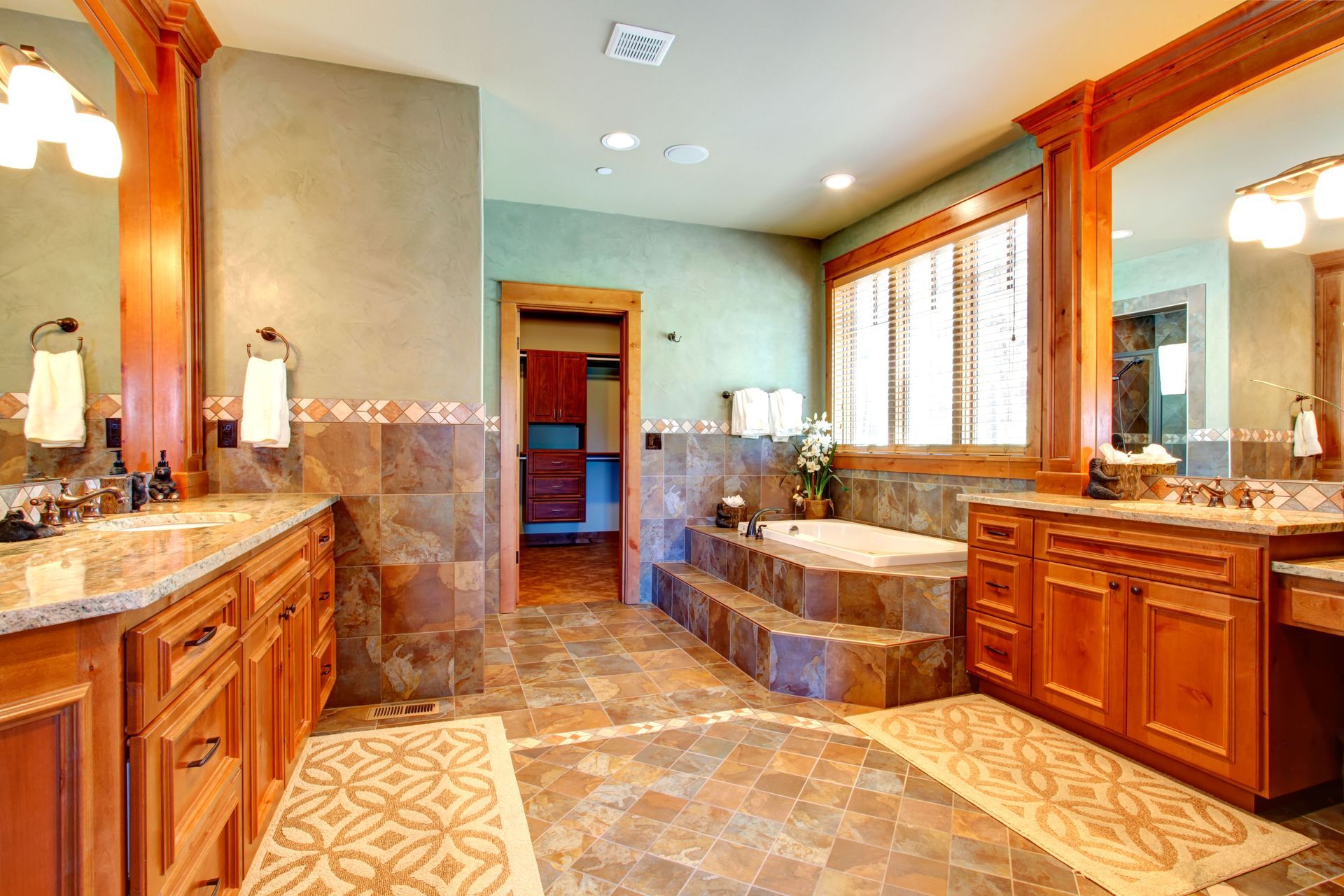
Warm and cool colors can have distinct impacts on your kitchen design. Warm colors can create a sense of coziness and vibrancy, making spaces appear more intimate and inviting. These colors work particularly well if you live in colder climates where they can balance the coolness of natural light. On the other hand, cool colors can make larger kitchens feel refreshing and open. When choosing between warm and cool tones for your kitchen design, consider the natural lighting in your space and how it translates throughout the day.
The Role of Neutrals
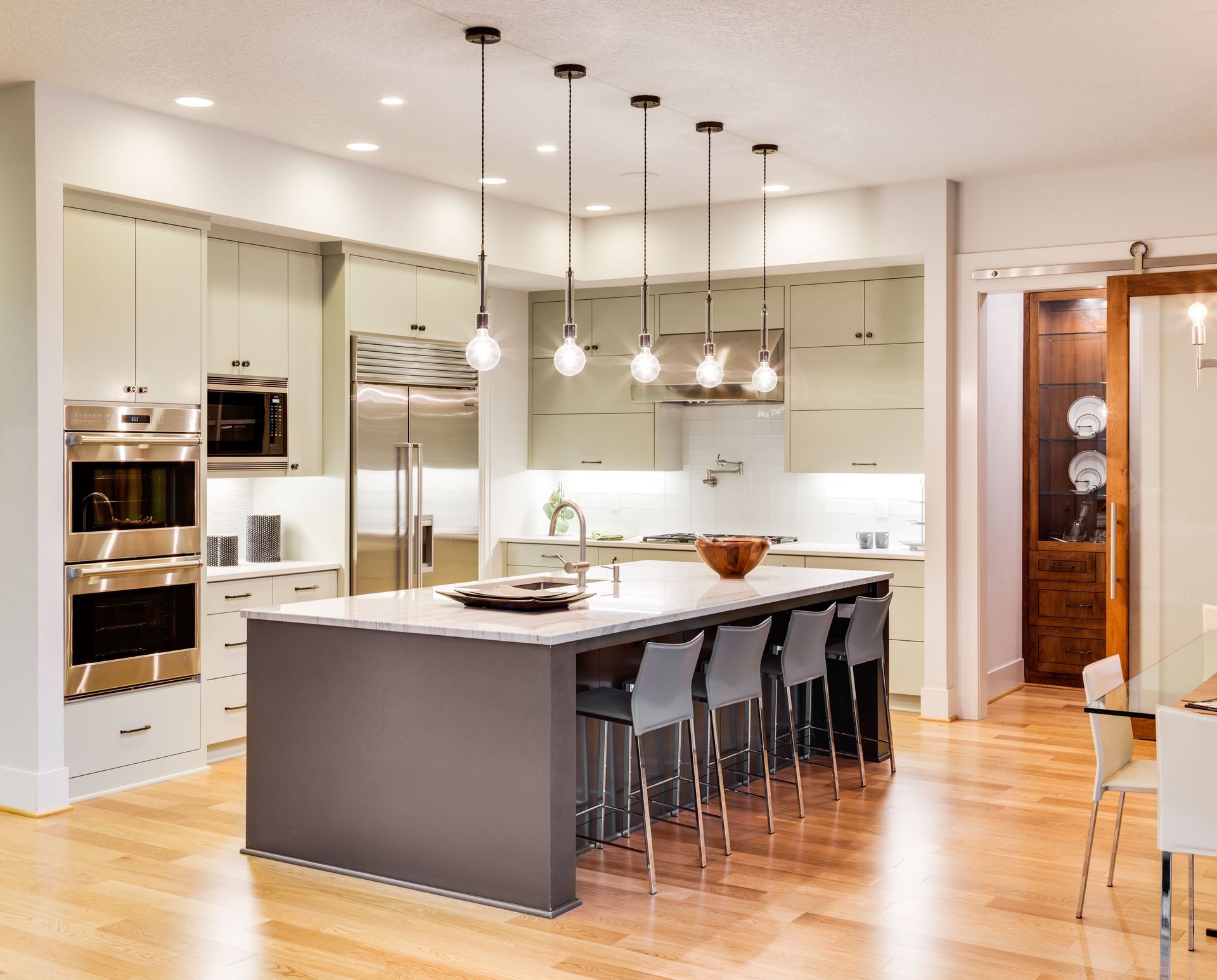
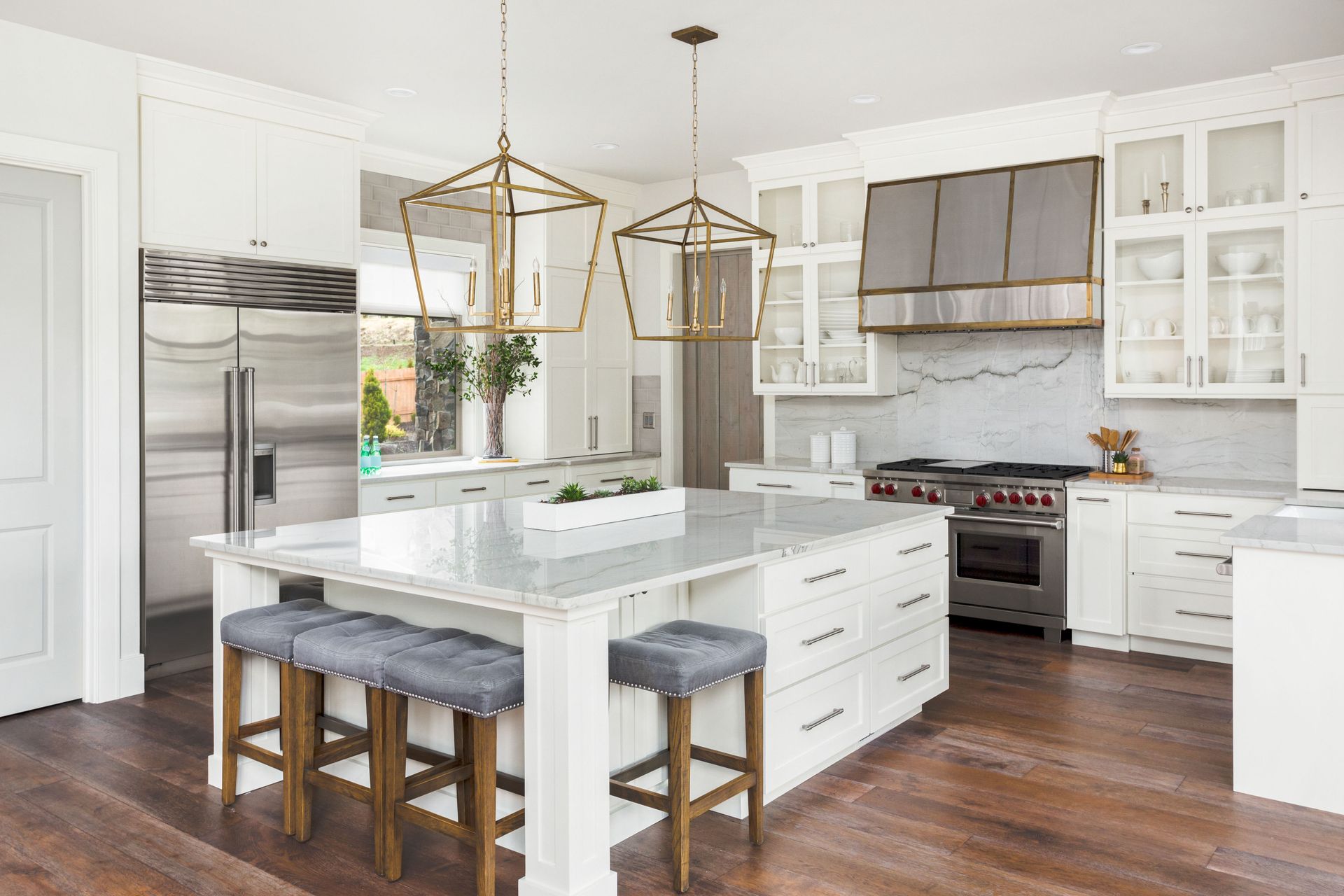
Neutrals play a pivotal role in kitchen design, often serving as a backdrop that allows other elements to stand out. Colors such as white, grey, and beige seamlessly blend into various design styles, providing a timeless quality that can enhance longevity and resale value. Neutrals are ideal for creating a balanced look, offering the flexibility to experiment with different accent colors through accessories and appliances. They're particularly useful in open-plan homes, ensuring that the kitchen's design remains cohesive with adjacent living spaces. Consider utilizing neutral tones as a base, layering them with bolder color choices to create focal points within your kitchen.
How Lighting Affects Perception of Color
Lighting is an essential consideration when selecting colors for your kitchen because it can alter the appearance of hues dramatically. Natural light changes throughout the day, influencing how colors are perceived in your space. Artificial lighting, such as LED and incandescent bulbs, adds another layer of complexity by affecting color temperature and intensity. Thus, it's crucial to test paint samples under different lighting conditions to ensure your chosen palette remains consistent. Optimizing lighting with your color scheme can result in a vibrant and welcoming kitchen that looks great at all hours.
Considering Your Kitchen's Size and Space
Enhancing Small Spaces with Light Colors
Light colors are excellent choices for small kitchens as they can make the area feel larger and more open. Shades of white, pastels, and light neutrals reflect natural light, creating a sense of space and breadth. These colors can reduce the visual clutter, especially in smaller homes or apartments where efficiency is crucial. According to the U.S. Census Bureau, more than 50% of U.S. homes were built before 1980, increasing the need for renovations and upgrades, often involving small kitchens. Utilizing light colors in your kitchen design can thus be pivotal in bringing modernity and spaciousness to older, compact layouts.
Creating Cozy Ambiance in Large Kitchens
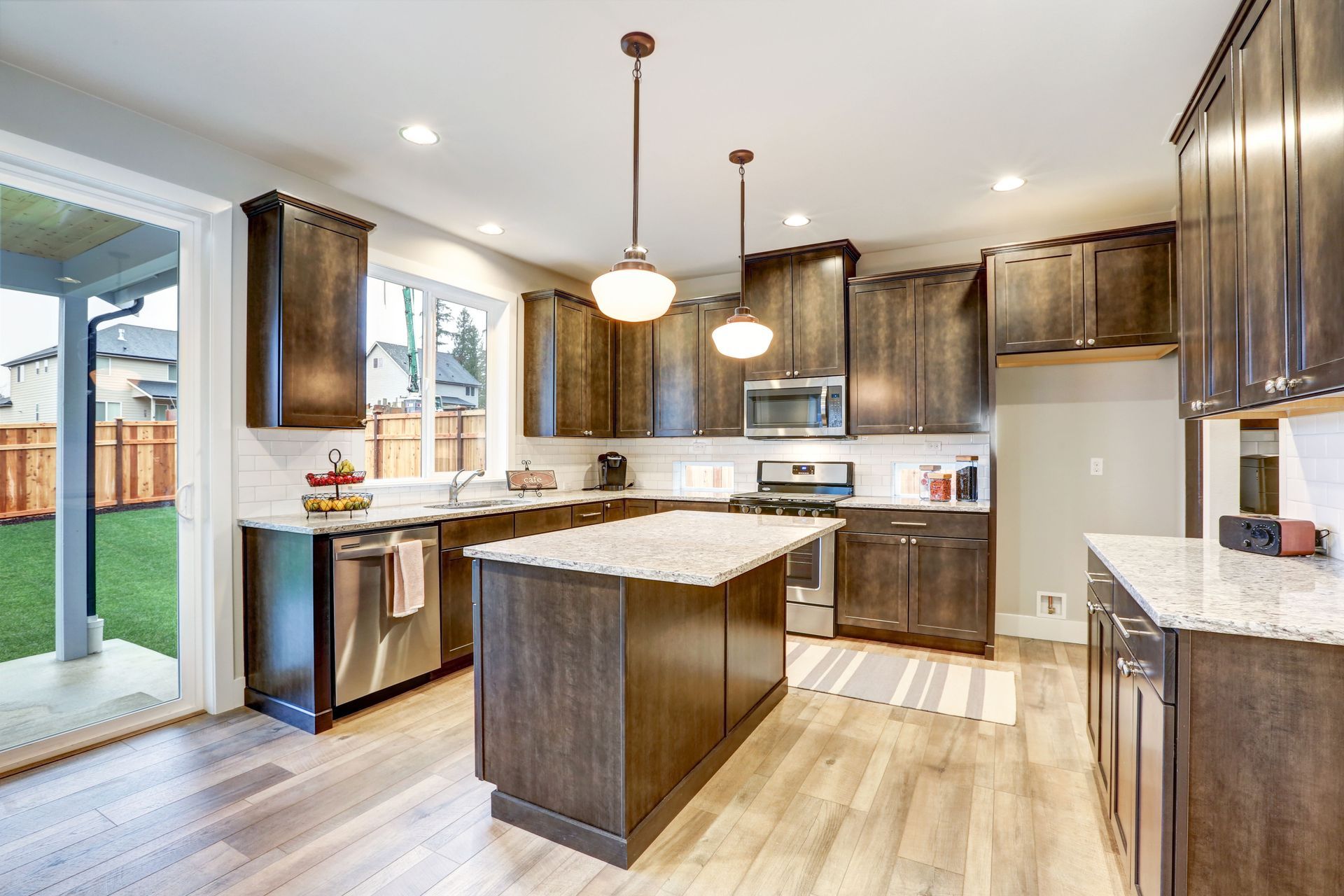
In contrast, large kitchens can benefit from a mix of both warm colors and darker shades to cultivate a cozy and intimate atmosphere. Rich woods, deep blues, and lush greens can help break up expansiveness, making the kitchen feel more inviting. An abundant space gives you the freedom to experiment with darker palettes without jeopardizing the room's openness. Dark ceiling beams or cabinets can be offset by lighter surfaces, striking a harmonious balance. Emphasizing texture alongside color can further enhance the warmth and depth of your large kitchen space.
The Role of Ceilings and Floors in Color Decisions
Ceilings and floors play an indispensable role in your kitchen's overall color scheme. Light-colored ceilings can give the illusion of higher space, while darker ceilings can contribute to a grounded and intimate feel. Flooring should complement your color choices, whether it's classic checkerboard tiles or natural hardwood; every decision contributes to the kitchen's mood. Additionally, continuity between the floor and countertop colors can create visual cohesion, minimizing interruptions and maintaining flow. Remember, both elements should integrate effortlessly with your walls and cabinetry for a unified design.
Optical Illusions With Color
Clever use of color can dramatically alter the perceived space in a kitchen through optical illusions. Vertical stripes or a darker wall at the end of a hallway kitchen can elongate the space, tricking the eye into perceiving greater depth. Lacquered cabinetry or glossy finishes reflect light, enhancing the sense of airiness and dimension in your kitchen. Contrasting colors can create a dynamic look, perfect for accentuating details or breaking up monotone layouts. By understanding these principles, you can manipulate color to transform your kitchen's spatial dynamics effectively.
Harmonizing With Existing Home Decor
Maintaining Consistency with Open Floor Plans
Open floor plans present both challenges and opportunities when it comes to color selection. Ensuring a seamless flow between the kitchen and adjacent living spaces is crucial to maintain visual harmony throughout an open-concept home. Continuity in color, whether through matching hues or tonal gradients, can create a sense of cohesion that enhances the openness of your layout. Selecting complementary colors allows each area to remain distinct while contributing to a unified whole. Successfully harmonizing colors in open floor plans ensures that your kitchen feels like an intentional, integrated part of your home.
Complementing Adjacent Rooms
When considering kitchen colors, it's vital to think beyond the confines of the room itself and consider its relation to adjacent spaces. Kitchens often serve as transitional zones between living and dining areas, requiring a conscientious color choice to facilitate this flow. Harmonizing with surrounding room color schemes can prevent jarring differences and maintain a smooth aesthetic experience throughout. Thoughtful coordination of colors and styles not only improves aesthetics but also increases the home's overall appeal. This approach ensures that every space in your home can stand alone while contributing to an integrated and cohesive design.
Coordinating With Cabinets and Appliances
Coordinating colors with your kitchen cabinets and appliances can streamline your design approach. Given the significant visual weight of cabinetry, you might choose it as the starting point for your color palette. For those with stainless steel appliances, mixing warm colors with metallic colors can create a striking contrast, whereas white appliances might call for bolder cabinetry hues. Remember, consistency in your color selections can elevate the functional elements of your kitchen into stylish statement pieces. By aligning complementary colors, you can achieve a polished yet trendy look, ensuring that functional doesn't have to mean boring.
Mixing Modern and Traditional Elements
Combining modern and traditional elements in your kitchen design can produce an eclectic and timeless ambiance. Using modern colors on classic materials like wood or marble can create an intriguing contrast that blends generations. Conversely, adding traditional color palettes to contemporary architecture can soften and introduce warmth to your kitchen. Successfully mixing styles requires a delicate balance to avoid clashes; therefore, choosing complementary colors and materials is vital. Through this mindful approach, your kitchen can become a unique space that tells a story and reflects a personal yet timeless sense of style.
Selecting the ideal kitchen color scheme comes down to balancing personal taste with spatial practicalities. By taking into account how natural light, room dimensions, and adjacent home decor interact with your chosen palette, you can transform a routine culinary area into a visually stunning, cohesive centerpiece. To learn more about how to make the right choices for your kitchen design, reach out to the experts at Design Studio West.